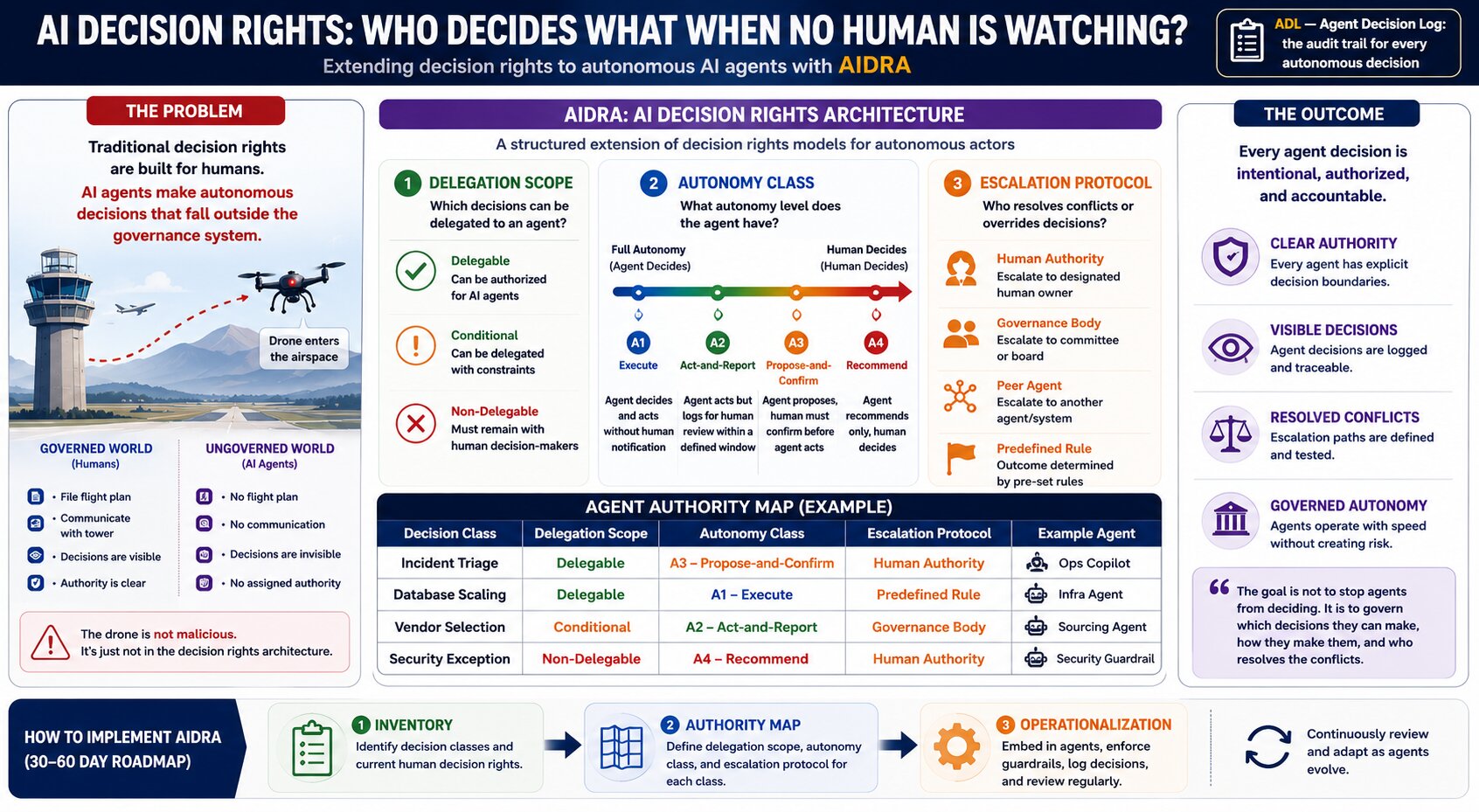
Decision rights models assume human decision-makers. AI agents breach that assumption silently. Here is how to extend decision rights to cover autonomous actors before the first ungoverned decision becomes a production incident.
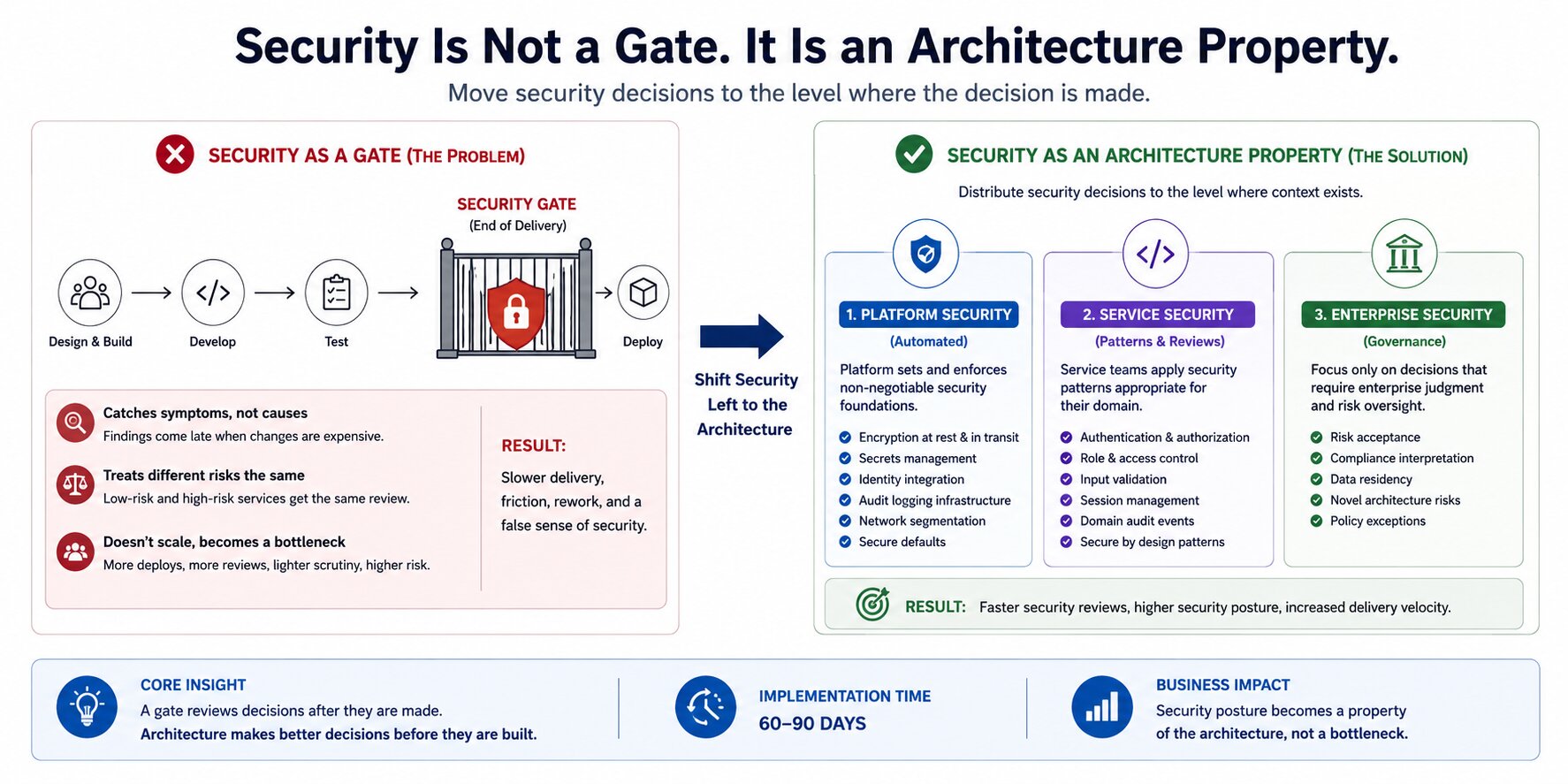
Security is treated as a gate at the end of delivery. It should be an architecture property designed into three distinct boundaries. Here is the model that fixes the friction between security and delivery.
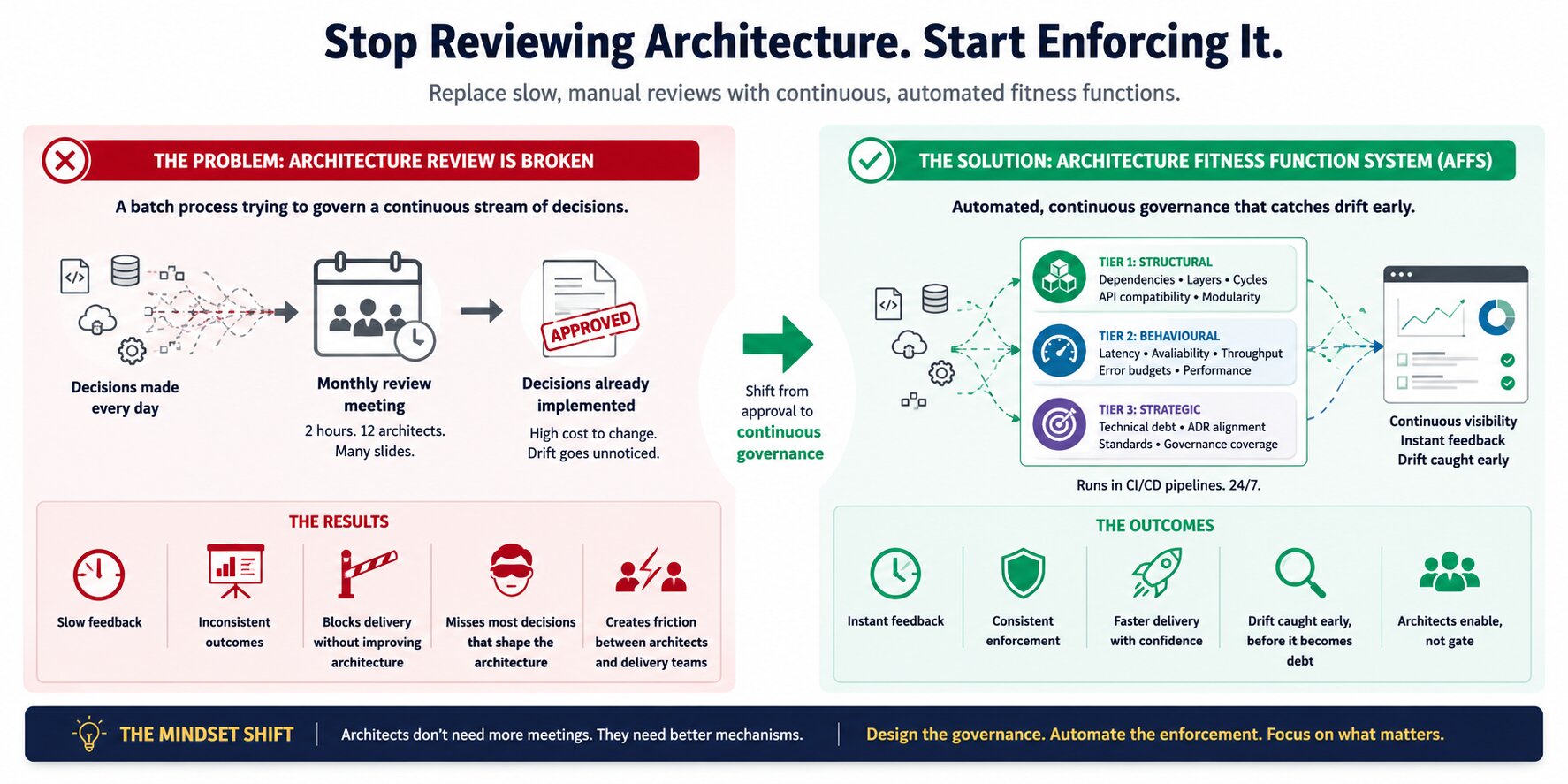
The architecture fitness function literature solved code-level governance. It never made the claim that the board itself becomes optional. Here is the missing argument — and the economics that prove the board is the slower and more expensive option.
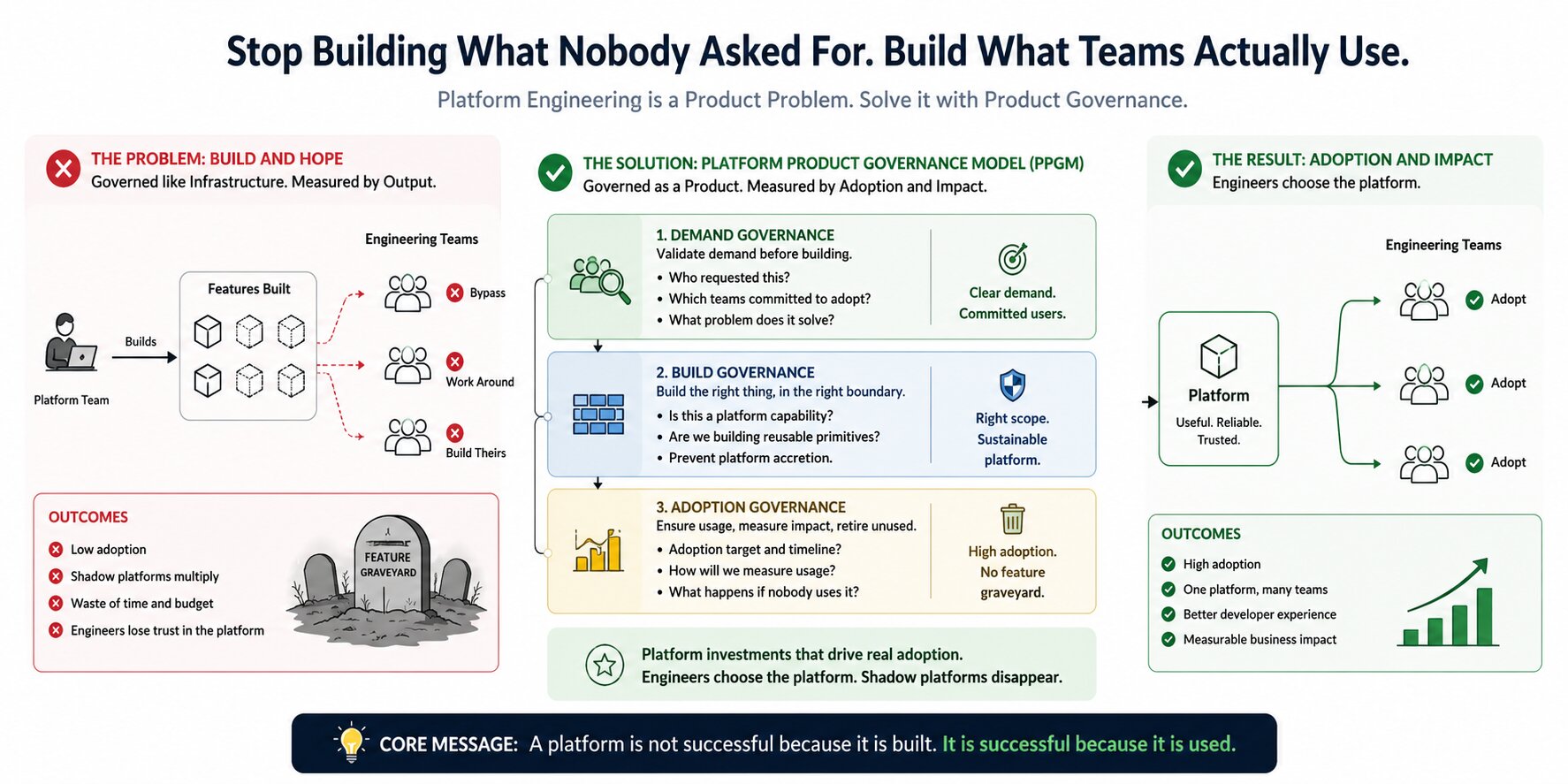
Most platform teams build internal products their engineering teams never chose. Platform adoption is not a marketing problem. It is a product governance problem. Here is the model that fixes it.
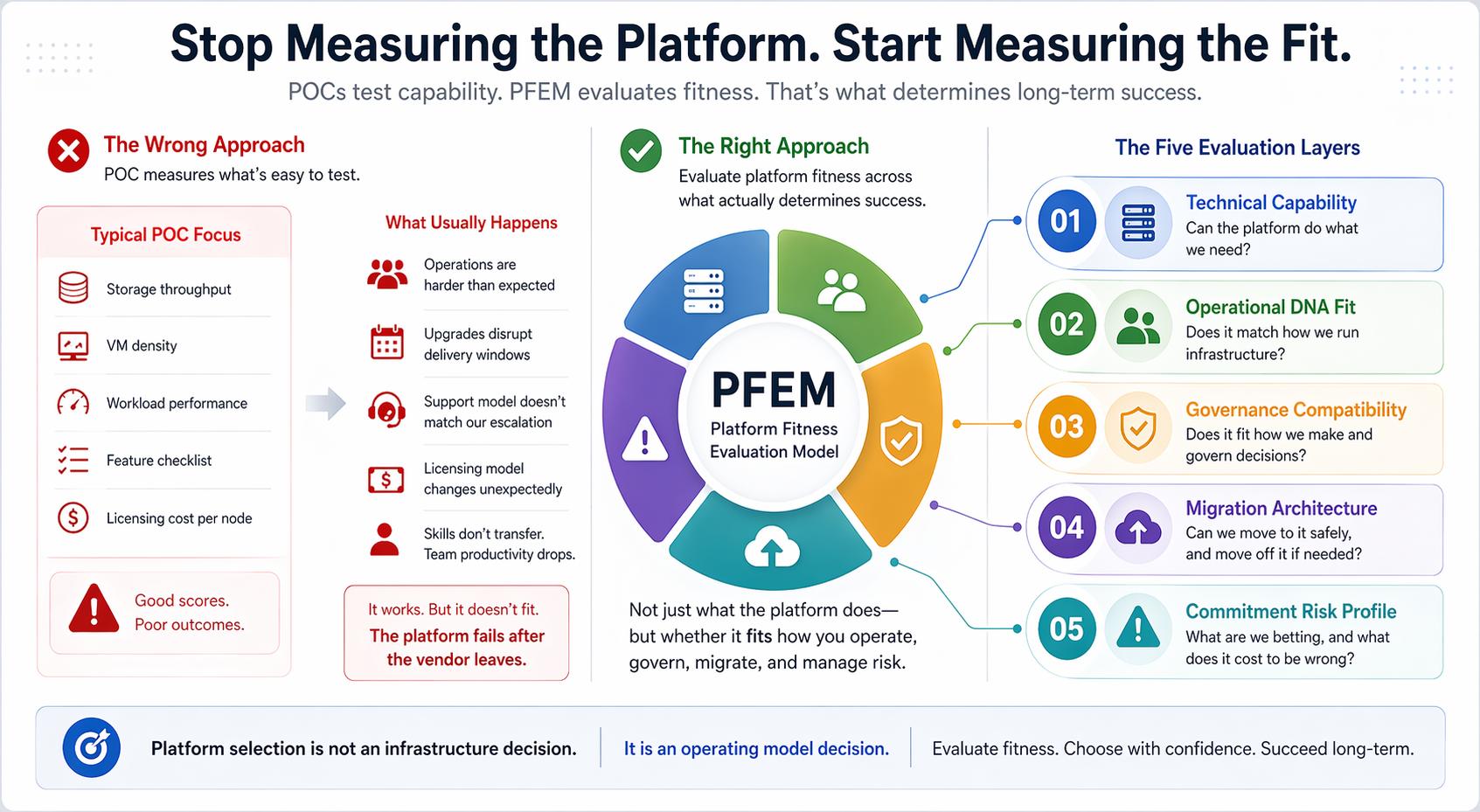
Most organizations evaluate private cloud and HCI platforms by running a technical POC. The POC passes. The platform fails. The reason is structural — and fixable. The Platform Fitness Evaluation Model (PFEM) tells you what to measure instead.